
Keeping your fridge and pantry tidy can make a big difference in your kitchen’s overall functionality. An organized space not only helps you find ingredients quickly but also prevents food waste and promotes healthier eating habits. Whether you have a spacious kitchen or a compact one, these straightforward tips will help you maintain an orderly fridge and pantry.
Why Keeping Your Fridge and Pantry Tidy Matters
A cluttered fridge and pantry often lead to expired foods, lost ingredients, and unnecessary trips to the store. Keeping these storage areas clean and organized can:
– Save time during meal preparation
– Help you track what you already have
– Make cleaning easier and less time-consuming
– Reduce food spoilage and waste
– Create a pleasant cooking environment
How to Organize Your Fridge Effectively
1. Clean Your Fridge Regularly
Start by emptying your fridge completely at least once a month. Wipe down shelves, drawers, and door compartments with a mild soap solution or a mix of water and vinegar. Dry everything thoroughly before replacing items.
2. Group Similar Items Together
Organize food based on type to make it easier to find what you need. For example:
– Dairy products in one section
– Meats and fish on the bottom shelf (to avoid drips contaminating other foods)
– Fruits and vegetables in designated drawers (with humidity controls if available)
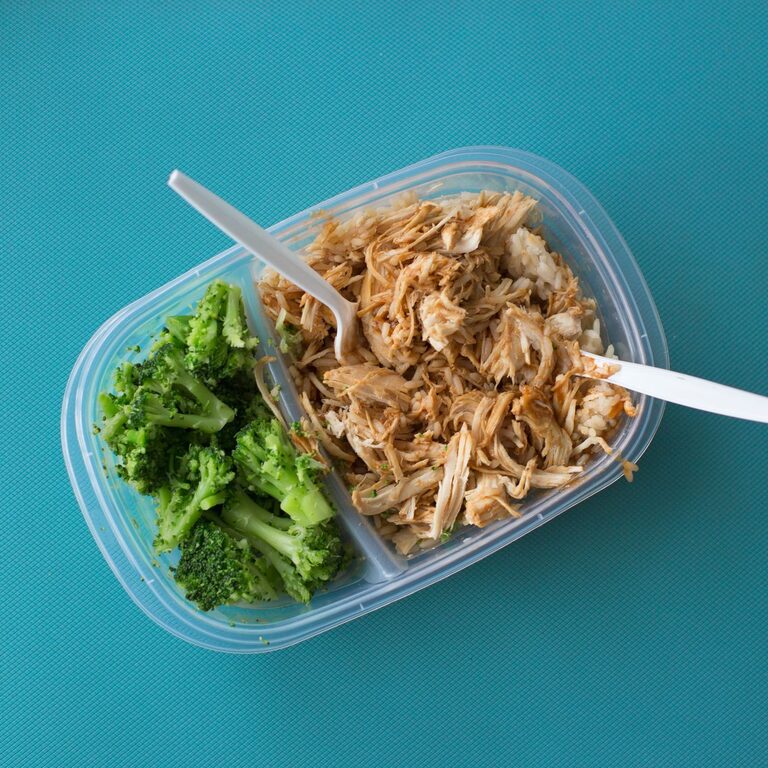
– Leftovers in clear, labeled containers
3. Use Clear Storage Containers
Transparent containers help you see what’s inside without opening them. Invest in stackable options to maximize space and keep items neat.
4. Label Everything
Label containers and shelves with expiration dates or contents. This practice reduces food waste by reminding you to use items before they go bad.
5. Maintain Proper Temperature
Keep your fridge between 35°F and 38°F (1.6°C – 3.3°C). This temperature range preserves food freshness and prevents spoilage.
Tips for a Well-Organized Pantry
1. Take Inventory Before Organizing
Empty the pantry and check for expired or stale items. Donate unopened non-perishables you won’t use.
2. Categorize Pantry Items
Group similar products such as:
– Baking supplies (flour, sugar, baking powder)
– Canned goods
– Pasta and grains
– Snacks and cereals
– Spices and seasonings
3. Use Uniform Containers
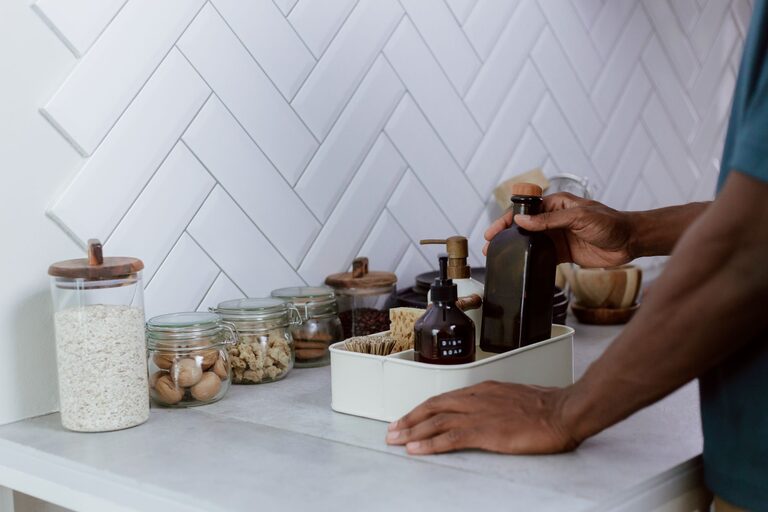
Transfer dry goods into airtight, stackable containers. Uniform containers create a neat appearance and keep pests away.
4. Label Jars and Containers
Labels help you quickly identify contents and quantities, reducing the chance of buying duplicates.
5. Organize by Frequency of Use
Place the most-used items at eye level or front of shelves. Reserve top or bottom shelves for less frequently used products.
6. Utilize Shelf Organizers and Baskets
Shelf risers, bins, and baskets help maximize vertical space and keep small items contained.
Maintenance Tips for Long-Term Success
– Set a monthly schedule for quick fridge and pantry checks.
– Clean spills immediately to avoid sticky messes.
– Rotate foods regularly so older items are used first (first in, first out system).
– Avoid overbuying to reduce clutter.
– Encourage family members to put items back in their designated places.
Conclusion
Keeping a tidy fridge and pantry doesn’t have to be a daunting task. With regular cleaning, smart storage solutions, and simple habits, you can create an organized kitchen that saves you time and reduces waste. Start with one small area today, and enjoy the benefits of a clutter-free food storage space!
—
Implementing these strategies can help you maintain a neat and efficient fridge and pantry. Over time, these habits will become second nature, making cooking and grocery shopping easier and more enjoyable. Happy organizing!
About the Author