Dinner cleanup can feel like a chore, especially after a busy day. However, with a few smart strategies and adjustments, you can make this task much easier and quicker. Whether you’re cooking for one or a family, these tips will help keep your kitchen tidy and reduce the stress of post-meal mess. Let’s explore some practical ideas to streamline your dinner cleanup process.
1. Plan Ahead to Minimize Mess
Use Simple Recipes
Choosing recipes with fewer ingredients and steps can cut down on the number of pots, pans, and utensils you need. One-pot or sheet-pan meals are excellent options because they require less cleanup.
Organize Your Tools Before Cooking
Gather all the necessary cookware and ingredients before starting. This habit helps avoid extra trips to the sink or counters and keeps your workspace neat.
Line Baking Sheets and Pans
Using parchment paper or aluminum foil to line baking sheets or roasting pans can prevent food from sticking and reduce scrubbing time later.
2. Clean as You Cook
Wash or Soak Dishes Immediately
Instead of waiting until the end, rinse or soak pots, pans, and utensils while other parts of your meal are cooking. This prevents food from hardening and makes washing faster.
Keep a Bowl for Scraps
Place a bowl on the counter to collect vegetable peelings, eggshells, and other scraps. This keeps them contained and makes composting or disposal simpler.
Wipe Spills Right Away
Clean up spills and splatters on countertops and stovetops immediately to prevent stains and buildup.
3. Use Efficient Cleaning Tools
Invest in a Good Sponge and Scrubber
Choose cleaning tools that can tackle different surfaces effectively, such as non-scratch scrubbers for delicate pans.
Keep Cleaning Supplies Handy
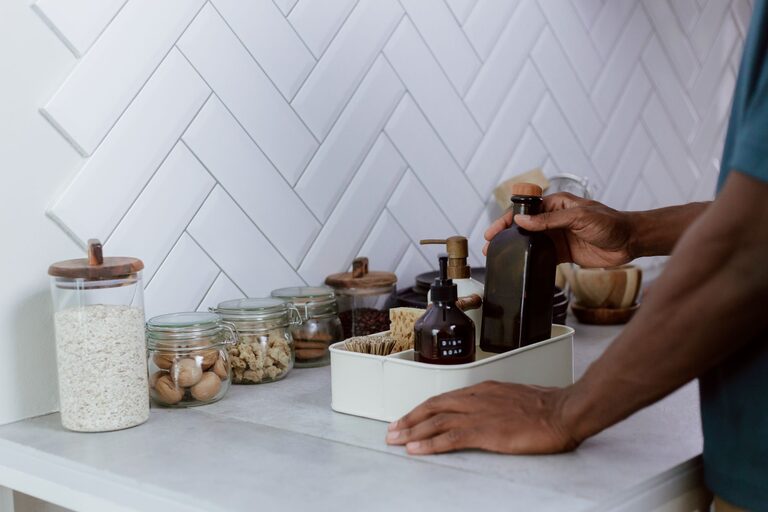
Store dish soap, brushes, and wipes close to the sink so you can reach them quickly and avoid interrupting your workflow.
Consider a Dishwasher
If you have one, load dishes as you go to avoid a pileup at the end. If you don’t have a dishwasher, stacking dishes neatly in the sink helps keep the area organized.
4. Simplify Tableware and Servingware
Use Fewer Dishes
Serve food directly from pots or one dish to the table when possible. This reduces the number of plates and bowls to wash afterward.
Opt for Easy-to-Clean Materials
Choose plates and utensils made from materials that wash easily and don’t stain, such as glass or stainless steel.
Use Disposable or Reusable Liners
Tablecloths, placemats, or tray liners can catch crumbs and spills, making cleanup quicker.
5. Create a Dedicated Cleanup Routine
Assign Tasks
If you share your home with others, assign specific cleanup duties. For example, one person clears the table while another loads the dishwasher.
Set a Cleanup Timer
Challenge yourself to finish cleaning within a set time. This can make the task feel more manageable and less overwhelming.
Finish with a Final Wipe-Down
After dishes are done, give countertops and sinks a quick wipe to leave the kitchen spotless.
6. Organize Your Kitchen for Easier Cleanup
Keep Counters Clear
A clutter-free counter makes it easier to clean spills and wipe surfaces quickly.
Use Storage Containers
Store leftovers in stackable containers that are easy to seal and clean.
Maintain a Cleaning Schedule
Regularly clean appliances, cabinets, and floors to prevent buildup, making daily cleanup easier.
7. Embrace Batch Cooking or Meal Prep
Cook in Larger Batches
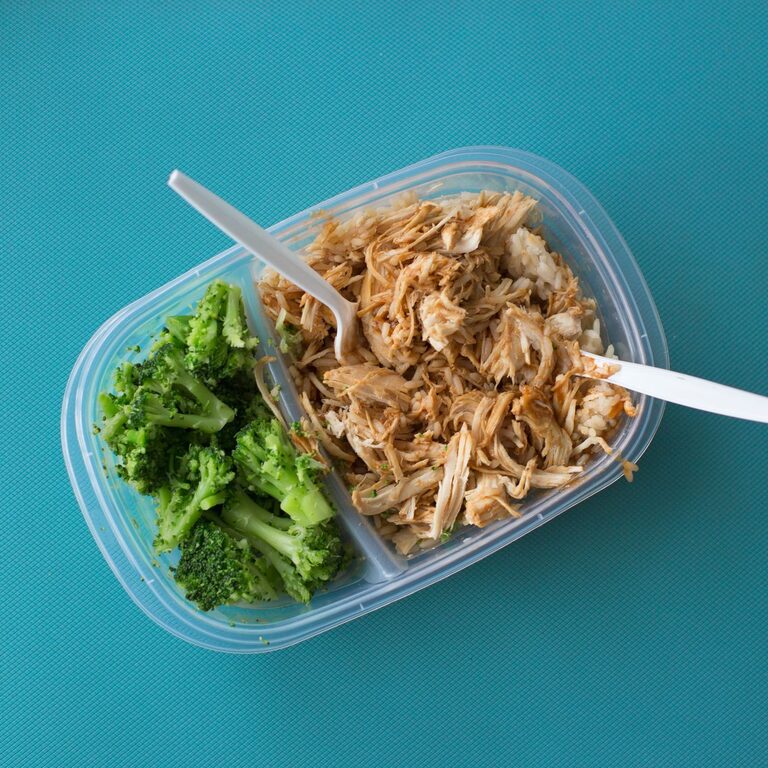
Prepare meals for several days at once to reduce the number of cooking and cleanup sessions per week.
Use Prep Containers
Wash and chop ingredients ahead of time and keep them in containers, so you just assemble meals during the week.
Conclusion
Dinner cleanup doesn’t have to be a dreaded task. By planning ahead, cleaning as you cook, using the right tools, and staying organized, you can make finishing up after dinner quicker and less stressful. Try incorporating these strategies into your routine and enjoy more time at the table and less time at the sink.
About the Author