
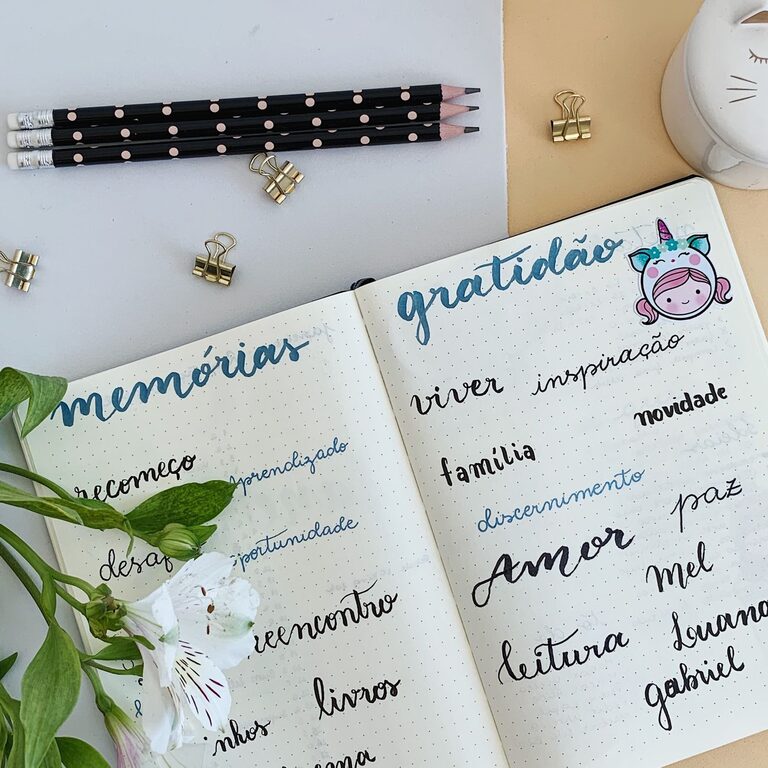
Starting a gratitude journal is a powerful way to foster positivity and improve your overall well-being. By regularly writing down things you are thankful for, you can shift your mindset, reduce stress, and enhance your happiness. If you are new to gratitude journaling or want to establish a consistent habit, this guide will help you get started with ease.
What Is a Gratitude Journal?
A gratitude journal is a personal diary where you record things you appreciate in your life. These can be big or small moments, people, experiences, or even simple pleasures. The goal is to focus on positive aspects rather than dwelling on challenges or negatives.
Benefits of Keeping a Gratitude Journal
Before jumping into how to start one, it’s helpful to understand why gratitude journaling can be beneficial:
– Improves mental health: Regularly noting what you’re thankful for can reduce feelings of anxiety and depression.
– Enhances mindfulness: Writing daily encourages you to be present and notice positive details you might otherwise overlook.
– Boosts optimism: Gratitude can help you develop a more hopeful outlook on life.
– Strengthens relationships: Recognizing the good in the people around you can deepen your connections.
– Promotes better sleep: Reflecting on gratitude before bed may lead to a more restful night.
How to Start Your Gratitude Journal
1. Choose Your Journal
Select a notebook or digital app that you enjoy using. It can be a simple lined notebook, a beautifully bound journal, or a specialized gratitude journal with prompts. The key is to pick something you feel comfortable opening regularly.
2. Set a Routine
Decide on a specific time of day to write in your journal. Many people prefer morning or evening because it helps start or end the day on a positive note. Even five minutes per day can be effective if done consistently.
3. Keep It Simple
You don’t need to write long entries. Focus on listing three to five things you are grateful for each day. These can be specific (e.g., “the warm coffee I enjoyed this morning”) or broader (e.g., “the support of my family”).
4. Be Specific and Genuine
When possible, add details about why you appreciate something. Instead of writing “I’m grateful for my friends,” try “I’m grateful for my friend Sarah, who listened to me when I felt overwhelmed.” Specificity helps deepen your gratitude experience.
5. Use Prompts If You’re Stuck
If you find it hard to think of things to write, prompts can offer a helpful starting point. Some examples include:
– What made you smile today?
– Name a person who positively impacted your life recently.
– What is something you have that you often take for granted?
– Describe a favorite place and why it makes you happy.
– What is a recent accomplishment you’re proud of?
6. Don’t Stress Perfection
Your gratitude journal is for your eyes only, so don’t worry about spelling, grammar, or style. The purpose is to reflect honestly and enjoy the process.
7. Reflect and Review
Every few weeks, take time to read past entries. This practice can remind you of your progress and reinforce positive feelings.
Tips for Maintaining Your Gratitude Journal Habit
– Set reminders: Use alarms or calendar notifications to prompt your journaling time.
– Make it enjoyable: Pair journaling with something you like, such as drinking tea or sitting in a peaceful spot.
– Share your gratitude: Occasionally sharing what you’re thankful for with others can increase motivation.
– Combine with other practices: Journaling works well alongside meditation, affirmations, or mindful breathing.
– Be patient: Like any habit, gratitude journaling takes time to feel natural. Keep going even if it feels awkward at first.
Examples of Gratitude Journal Entries
Here are a few sample entries to inspire you:
– “Today I’m grateful for the sunshine during my walk; it lifted my mood.”
– “I appreciate my coworker who helped me solve a tricky problem.”
– “Grateful for the cozy blanket that kept me warm last night.”
– “Thankful for the opportunity to learn something new today.”
– “I’m grateful for the laughter shared with my family this evening.”
Final Thoughts
Starting a gratitude journal is a simple yet impactful way to enhance your emotional well-being. By dedicating just a few minutes each day to acknowledge what you appreciate, you can cultivate a more positive mindset and greater resilience in everyday life. Remember, there’s no right or wrong way to do this—what matters most is consistency and sincerity.
So, grab a notebook or open your favorite app and begin your gratitude journey today. Your future self will thank you!
About the Author